Creating a home office that is both relaxing and productive can be a game-changer. Whether you work full-time from home or need a dedicated space for occasional tasks, the environment you create can significantly affect your focus and well-being. Here are practical tips to help you design a workspace that encourages efficiency while keeping stress at bay.
Choose the Right Location
Find a Quiet Space
Ideally, select a spot in your home away from high-traffic areas. A quiet corner or a spare room can provide the peace needed to concentrate.
Consider Natural Light
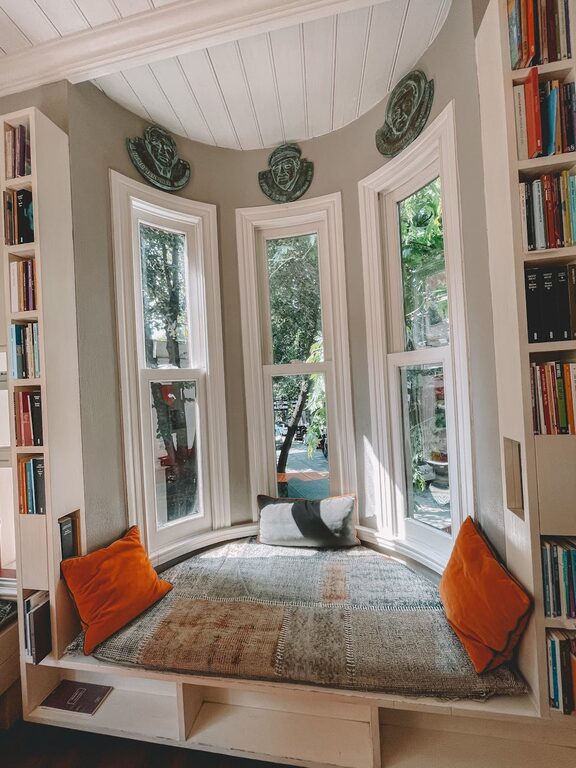
Natural light helps reduce eye strain and boosts mood. Position your desk near a window if possible, but be mindful of glare on your screens.
Invest in Comfortable Furniture
Ergonomic Chair and Desk
Your comfort is key. Choose an ergonomic chair that supports your back and a desk at the right height to prevent strain.
Adjustable Options
Furniture that allows adjustments — like height-adjustable desks — enables you to switch between sitting and standing, which can improve circulation and focus.
Declutter and Organize
Keep Essentials Close
Having frequently used items within arm’s reach prevents distractions caused by searching for things.
Use Storage Solutions
Shelves, drawers, and organizers help maintain a tidy space. A clutter-free desk helps clear your mind and keeps distractions low.
Incorporate Calming Elements
Add Greenery
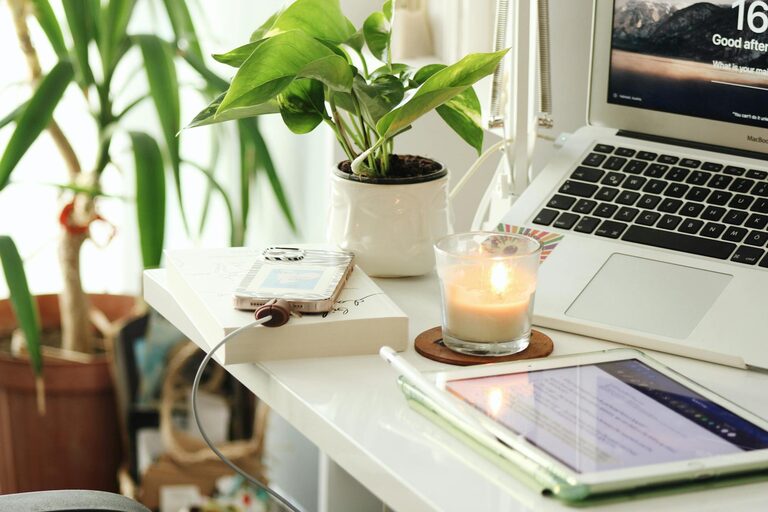
Plants can reduce stress and improve air quality. Even small desk plants bring a touch of nature indoors.
Soothing Colors
Choose wall and decor colors that appeal to you and promote calmness — soft blues, greens, or neutrals often work well.
Optimize Lighting
Use Layered Lighting
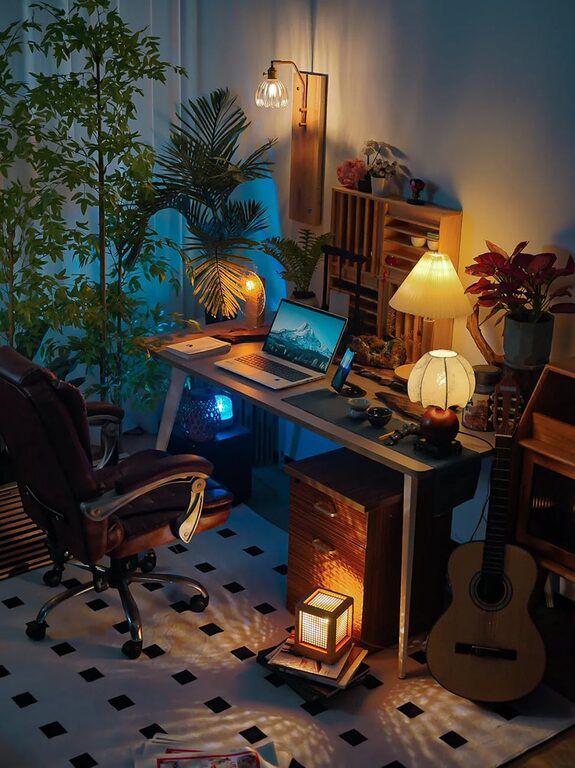
Combine ambient lighting with task lighting to reduce eye strain and create a comfortable atmosphere.
Avoid Harsh Fluorescents
Soft, warm lights are more pleasant and conducive to long hours of work.
Create a Personalized Space
Display Inspirational Items
Photos, artwork, or motivational quotes can make your space inviting and inspiring.
Limit Distractions
While personalization is good, avoid overcrowding your workspace with items that might divert your attention.
Maintain Good Air Quality and Temperature
Ventilation Matters
Open windows when possible or use air purifiers to keep air fresh.
Keep Comfortable Temperature
Ensure your workspace is neither too hot nor too cold, as both extremes can affect concentration.
Establish Boundaries
Set a Work Schedule
Designate specific working hours to maintain a healthy work-life balance.
Communicate with Household Members
Let others know your work hours to minimize interruptions.
Use Technology Wisely
Reliable Equipment
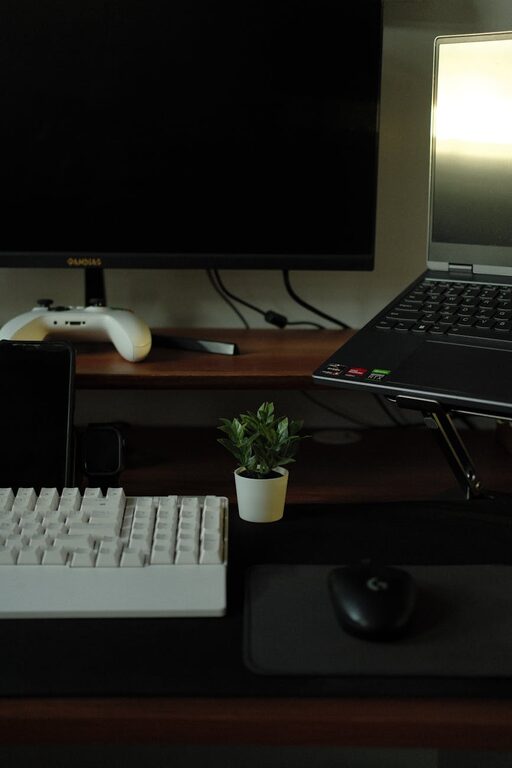
Make sure your computer, internet connection, and accessories are dependable to avoid frustrating downtime.
Minimize Notifications
Close unnecessary apps and silence non-urgent notifications to stay focused.
Take Regular Breaks
Follow the 20-20-20 Rule
Every 20 minutes, look at something 20 feet away for 20 seconds to reduce eye strain.
Stretch and Move
Stand, stretch, or take a short walk to refresh your body and mind.
—
By thoughtfully designing your home office environment with these tips in mind, you can create a space that supports both your productivity and relaxation. A well-balanced workspace fosters better focus, reduces stress, and makes working from home a more enjoyable experience.