
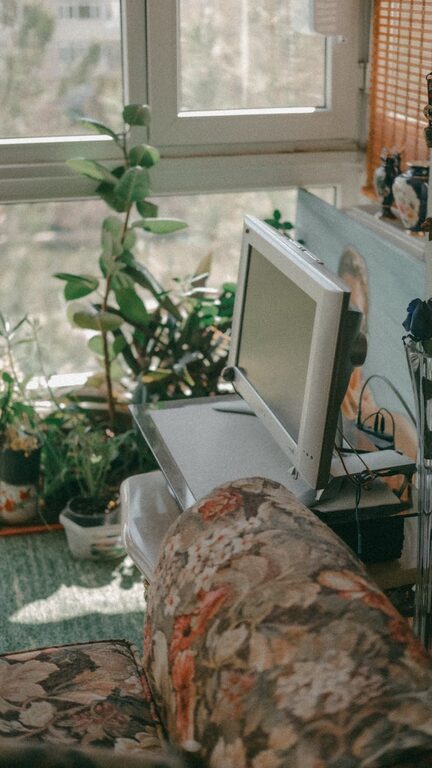
Creating a relaxing home environment is key to promoting better well-being and helping you recharge after busy days. Your living space should feel like a sanctuary where you can unwind, feel comfortable, and refresh your mind. Fortunately, you don’t need a complete home makeover or expensive upgrades to create a peaceful atmosphere. With a few thoughtful changes, you can enhance your surroundings and support your mental and emotional health.
In this post, we’ll explore simple, practical ways to make your home more relaxing and enjoyable.
Why a Relaxing Home Environment Matters
Our homes are where we spend a large part of our lives. The environment around us influences how we feel, think, and even sleep. A cluttered, noisy, or harshly lit space can increase stress and anxiety, while a calm, organized, and inviting home helps reduce tension and encourages restfulness.
Designing a relaxing home environment is an act of self-care. When your space supports your well-being, it’s easier to maintain positive moods, focus better, and enjoy downtime fully.
Tips to Create a More Relaxing Home
1. Declutter and Organize
A clutter-free environment can instantly make your space feel calmer. Clutter can cause distraction and stress, making it harder to relax.
– Sort through items you no longer need and donate or recycle them.
– Use storage bins and baskets to keep items neatly tucked away.
– Keep surfaces clear of unnecessary objects.
– Organize your belongings in ways that make them easy to find and use.
2. Use Soothing Colors
Color impacts mood. Soft, neutral tones such as light blues, greens, beige, and pastels promote calmness and serenity.
– Paint walls in muted shades that you find peaceful.
– Add accents like pillows, throws, or rugs in gentle colors.
– Avoid overly bright or intense colors in relaxation spaces such as bedrooms or reading nooks.
3. Maximize Natural Light
Sunlight improves mood and helps regulate your body’s natural rhythms.
– Keep windows clean and unobstructed.
– Use sheer curtains to let in light while maintaining privacy.
– Arrange furniture near windows to make the most of daylight.
– If natural light is limited, consider full-spectrum light bulbs that mimic sunlight.
4. Incorporate Nature Elements
Natural elements bring a sense of tranquility indoors.
– Add houseplants to improve air quality and add greenery.
– Display natural materials like wood, stone, or woven baskets.
– Use nature-inspired artwork or decor for a calming effect.
– Consider a small indoor fountain or water feature for soothing sounds.
5. Create Comfortable Seating Areas
Your home should invite you to sit, relax, and enjoy moments of rest.
– Choose chairs and sofas with supportive cushions.
– Add soft throws and pillows for extra coziness.
– Arrange furniture to encourage conversation or quiet reflection.
– Include a favorite chair or reading corner as a dedicated relaxation spot.
6. Reduce Noise
Loud or constant noise can increase stress levels. Minimizing noise makes your home more peaceful.
– Use rugs, curtains, and upholstered furniture to absorb sound.
– Close doors to block noise from busy areas.
– Consider white noise machines or calming music if external sounds are intrusive.
– Set “quiet hours” to enjoy moments of silence each day.
7. Use Pleasant Scents
Aromatherapy can enhance relaxation by appealing to your senses.
– Use essential oil diffusers with lavender, chamomile, or eucalyptus.
– Light scented candles or incense (safely) for subtle fragrance.
– Open windows to let fresh air circulate regularly.
– Avoid overpowering or artificial smells that may cause discomfort.
8. Establish Relaxation Routines
Making space for relaxation habits supports a calm environment.
– Dedicate a certain time daily for quiet activities like reading, meditation, or gentle stretching.
– Use calming lighting such as lamps or candles during these moments instead of harsh overhead lights.
– Keep relaxation accessories like books, cushions, or journals nearby.
9. Maintain Cleanliness
Clean surfaces and spaces feel fresher and less stressful.
– Establish regular cleaning routines.
– Address spills or messes promptly.
– Wash bedding and curtains regularly.
– Keep kitchen and bathroom tidy for peace of mind.
Final Thoughts
Transforming your home into a relaxing environment doesn’t require big expenses or complicated projects. Small changes like organizing your space, bringing in natural light, and adding nature-inspired touches can greatly enhance your well-being. The goal is to create a balanced atmosphere where you feel calm and comfortable every day.
Start with one or two of these ideas and build a home that truly supports your mental, emotional, and physical health. Your peaceful retreat awaits!