Creating a cozy and functional home office is essential for maintaining productivity while enjoying the comforts of your own space. A well-designed office promotes focus, reduces stress, and keeps you motivated. Whether you have a dedicated room or just a corner in your living area, these tips will help you transform it into an efficient and inviting workspace.
Choose the Right Location
Start by selecting the best spot for your office. Ideally, find a quiet area away from heavy foot traffic and distractions. A room with natural light not only brightens the space but also boosts mood and energy. If a separate room isn’t available, a corner of a quieter room can work well with proper organization.
Prioritize Comfort with Furniture
Invest in a Quality Chair
Your office chair should support good posture and be adjustable to fit your body. Comfort prevents back and neck strain, which is crucial for long hours of work.
Select a Suitable Desk
Choose a desk that matches your workflow. If you use multiple monitors or paperwork, consider a larger surface. For smaller spaces, wall-mounted desks or foldable options can save room while maintaining functionality.
Optimize Lighting
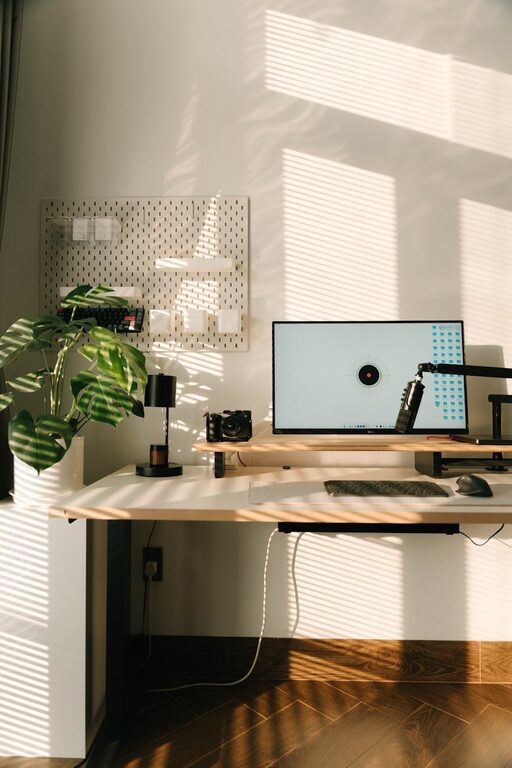
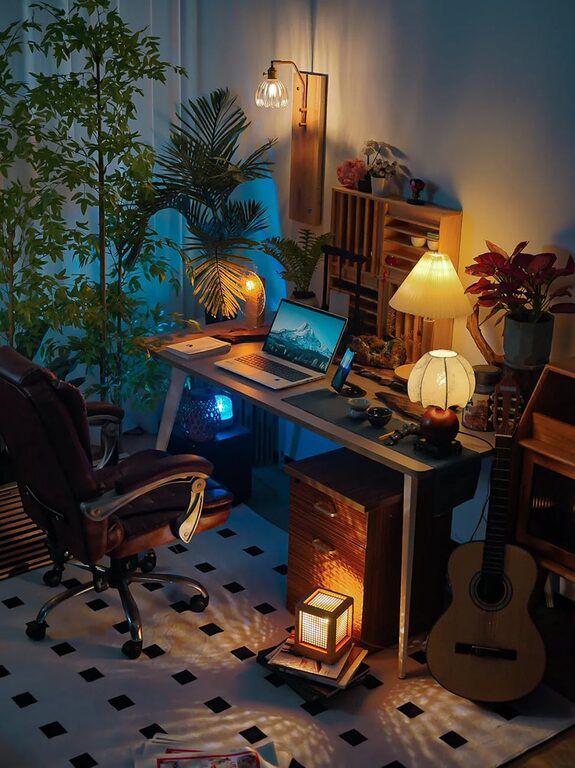
Lighting plays a big role in productivity and comfort. Natural light is best, so position your desk near a window if possible. Complement this with adjustable task lighting, such as a desk lamp, to avoid eye strain during evening hours.
Keep Your Space Organized
Use Storage Solutions
Clutter can disrupt focus, so incorporate shelves, drawers, or filing cabinets to keep supplies and documents in order. Desk organizers help manage frequently used items like pens, notebooks, and gadgets.
Create a System
Develop a consistent system for storing and labeling materials. This will save time searching for things and maintain a clean environment.
Add Personal Touches
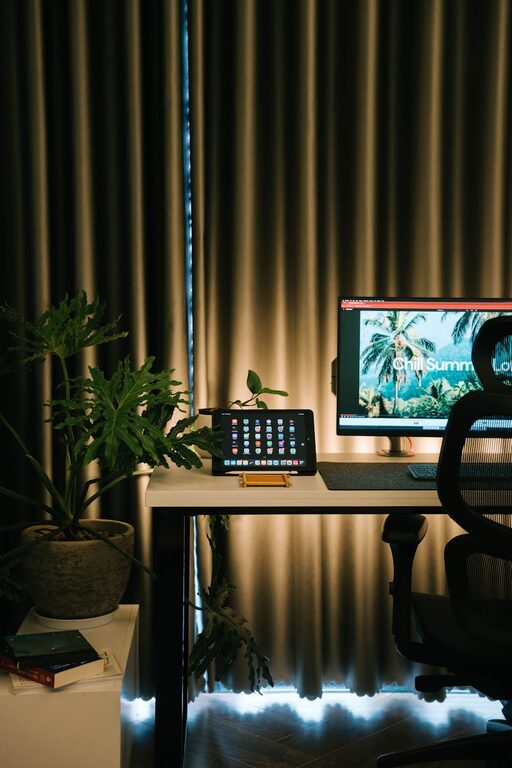
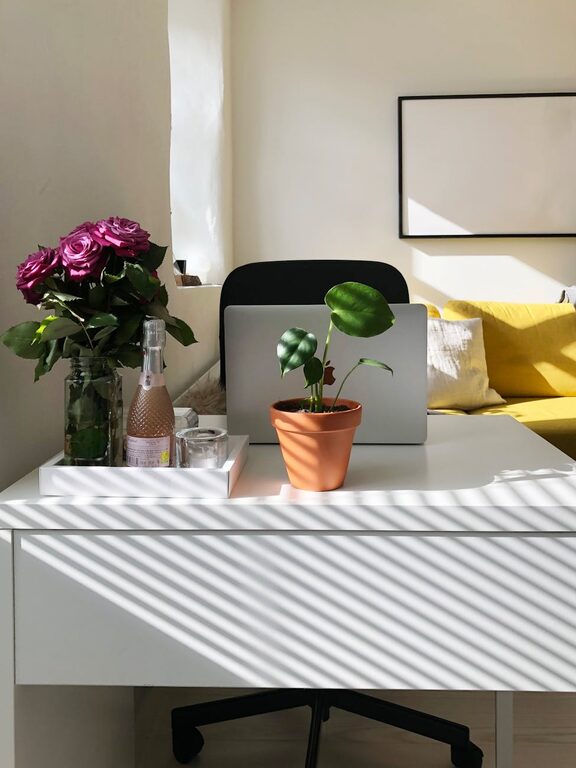
Incorporate elements that make the space feel welcoming and uniquely yours. This could be artwork, plants, or family photos. Plants, in particular, can improve air quality and add a calming natural element.
Manage Technology Efficiently
Keep cables organized with clips or sleeves to avoid a tangled mess. Ensure your internet connection is strong for video calls and online work. Use wireless devices where possible to reduce clutter.
Design for Flexibility
If you share your workspace or switch between tasks, consider modular furniture or items on casters for easy rearrangement. Adjustable desks that allow you to alternate between sitting and standing are also popular for better ergonomics.
Minimize Noise
Use noise-cancelling headphones or soft furnishings like rugs and curtains to absorb sound. White noise machines or background music can help mask distracting sounds and improve concentration.
Incorporate Healthy Habits
Set up your office to encourage movement. Keep your water within reach to stay hydrated. Use a small basket or drawer for snacks to avoid frequent trips to the kitchen.
Maintain Balance Between Work and Home
Establish clear boundaries to separate your work time from personal activities. When the workday ends, leave your home office or “shut down” your workspace to disconnect and relax.
—
By thoughtfully blending comfort with practicality, you can create a home office space that supports your daily tasks and nurtures your well-being. With these tips, your workspace will become a place where you look forward to starting each day.