
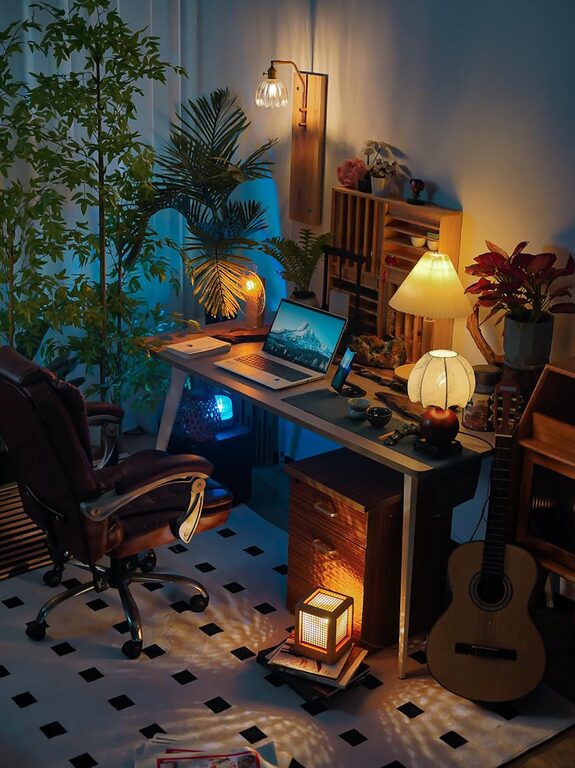
Creating a comfortable and inviting home office is essential for anyone who spends time working from home. A cozy workspace not only makes your day more pleasant but can also boost your productivity and focus. Whether your office is a separate room or just a corner of your living space, there are many ways to transform it into a warm and welcoming environment.
In this post, we’ll explore practical tips to help you design a home office that feels comfortable and inspires you to do your best work.
1. Choose the Right Location
Finding the best spot for your home office is the first step to creating a cozy space. Ideally, select a quiet area with plenty of natural light. If possible, pick a room or corner away from high-traffic zones where you can focus without interruptions.
If you have limited space, consider using room dividers, curtains, or a bookshelf to separate your workspace from the rest of the room visually. This helps create a sense of privacy and reduces distractions.
2. Select Comfortable and Functional Furniture
Investing in ergonomic furniture makes a big difference in comfort and health during long work hours.
– Desk: Choose a desk that fits your space and provides enough surface area for your computer, notebooks, and other work essentials. Adjustable desks or those with built-in storage can help keep your area tidy.
– Chair: A supportive chair with adjustable height, good lumbar support, and comfortable padding is crucial. If you can, try it out before buying to make sure it suits your body.
– Storage: Use shelves, drawers, or organizers to keep supplies neatly arranged and within reach.
3. Use Warm Lighting
Lighting plays a key role in creating a cozy ambiance and reducing eye strain.
– Natural Light: Maximize natural light by facing your desk near a window. Avoid glare on your screen by positioning it perpendicular to windows.
– Artificial Lighting: Use a combination of desk lamps, floor lamps, and overhead lighting with warm, soft bulbs. Adjustable lamps allow you to direct light where you need it most.
– Accent Lighting: Consider adding string lights, candles (real or battery-operated), or fairy lights for a touch of warmth and personality.
4. Add Personal Touches and Decor
Make your home office feel uniquely yours by adding elements that bring joy and inspiration.
– Plants: Indoor plants improve air quality and add a lively touch. Choose easy-care varieties like succulents or pothos if you’re new to plants.
– Artwork and Photos: Hang art or frame photos that motivate you or create a calming atmosphere.
– Textiles: Soft cushions, throw blankets, or a comfy rug add texture and comfort to the space.
– Color Palette: Use colors that soothe and inspire you. Earth tones, pastels, or your favorite shades can make a big difference in mood.
5. Keep It Organized and Clutter-Free
A cluttered space can be stressful and distracting. Developing a system for organizing your office supplies will help keep the area inviting.
– Declutter Regularly: Set aside time weekly to clear out unnecessary papers and items.
– Use Organizers: Desk organizers, filing trays, and cable management tools help keep everything in place.
– Digital Organization: Keep your digital workspace tidy with organized folders and regular file backups.
6. Incorporate Technology Thoughtfully
Technology is essential for most home offices, but it shouldn’t overwhelm the space.
– Use wireless devices where possible to reduce cable clutter.
– Hide cords with cable management sleeves or under-desk trays.
– Choose a monitor stand to raise your screen to eye level and free desk space.
– Add accessories like a quality keyboard, mouse, or headphones to improve your work experience.
7. Create Zones if Space Allows
If your home office is large enough, try to create different zones for various activities.
– Work Zone: Your desk and computer area.
– Reading or Relaxation Zone: A comfortable chair or small sofa for breaks or brainstorming.
– Storage Zone: Shelving or cabinets to keep supplies and documents organized.
Having these zones helps you move comfortably throughout your day and reduces fatigue.
8. Prioritize Comfort and Wellness
Your home office should support your physical and mental well-being.
– Take regular breaks to stretch or move around.
– Keep water nearby to stay hydrated.
– Add a diffuser or scented candle with calming scents like lavender or eucalyptus.
– Consider adding a small speaker for background music or white noise.
—
By thoughtfully combining these tips, you can create a home office that feels both cozy and productive. Remember, this space should reflect your personal style and meet your needs so that working from home becomes an enjoyable and efficient part of your routine. Happy decorating!